Gum Disease Treatment for Persistent Gum Inflammation

Persistent gum inflammation is easy to dismiss at first. A little bleeding when brushing, a tender spot near a molar, gums that look slightly puffier than usual, none of that feels urgent when life is busy. Yet in practice, ongoing inflammation is one of the clearest signs that the gums are under stress and need attention. When that irritation lingers for weeks or keeps returning, it usually points to a problem that will not settle on its own.
The important distinction is this: not every sore gum means advanced disease, but persistent inflammation is rarely random. It often reflects plaque accumulation, tartar buildup below the gumline, changes in oral bacteria, dry mouth, smoking, hormonal shifts, poorly fitting dental work, or systemic factors such as diabetes. Effective Gum Disease Treatment depends on finding the real cause, not just easing symptoms for a few days.
Patients often arrive with a simple question: “Why are my gums still inflamed even though I brush every day?” The answer is usually more nuanced than oral hygiene alone. Many people brush regularly but miss the gumline, skip flossing in the areas that trap plaque most easily, or brush hard enough to irritate tissue without actually cleaning it well. Others have inflammation that has moved beyond mild gingivitis into periodontitis, where bacteria and calculus sit deeper under the gums and require professional treatment.
When inflamed gums cross the line from temporary irritation to disease
Healthy gums are generally firm, pale pink to deeper brown depending on natural pigmentation, and they do not bleed easily during normal brushing or flossing. Inflamed gums tend to look swollen, shiny, redder than usual, and tender. They may bleed with brushing, flossing, eating crisp foods, or sometimes for no obvious reason. If bad breath persists despite cleaning, that can also signal bacterial buildup associated with gum disease.
A short-lived irritation can happen after something simple, such as a popcorn hull lodged under the gum or an aggressive brushing session. Persistent inflammation is different. If symptoms last more than about one to two weeks, or improve briefly and then return, a fuller assessment is warranted. In clinical settings, the pattern matters. Gum irritation around a single tooth suggests a local issue such as trapped debris, an overhanging filling, or an isolated periodontal pocket. Generalized inflammation throughout the mouth more often points to plaque-related gingivitis, mouth breathing, dry mouth, smoking, medications, or a systemic contributor.
This is where early Gum Disease Treatment can make a meaningful difference. Gingivitis, the early stage of gum disease, is usually reversible with proper professional cleaning and consistent home care. Once the condition progresses to periodontitis, the goal changes. The tissue and bone support around teeth may not return to their original state, but the disease can often be controlled and stabilized.
Why persistent gum inflammation should not be ignored
Gum inflammation is not merely a cosmetic concern. It is an immune response to a bacterial challenge. The body is reacting to biofilm and toxins at or beneath the gumline. Left untreated, this inflammatory process can deepen the spaces between the teeth and gums, break down connective tissue, and gradually reduce the bone that holds teeth in place.
Patients are often surprised that the disease can progress with relatively little pain. Gum disease is frequently quieter than a cavity or cracked tooth. That is part of what makes it risky. A person can function normally while the underlying support around the teeth is slowly being lost. By the time teeth feel loose or biting feels different, the damage is often more advanced https://caidensinp464.rivetgarden.com/posts/what-is-gum-disease-treatment-and-when-do-you-need-it and treatment becomes more involved.
There is also the practical reality of treatment complexity. Mild gingivitis can often be managed with a professional cleaning and a more disciplined home routine. Moderate or advanced periodontal disease may require deep cleaning, ongoing periodontal maintenance, possible localized antibiotics, occlusal adjustment if trauma from biting is a factor, and in some cases surgery. Addressing the problem early usually means less discomfort, less cost, and better long-term stability.
What causes inflammation to persist
Persistent gum inflammation is usually multifactorial. Plaque is the main driver, but it is rarely the whole story. Experience shows that several factors often overlap.
Bacterial plaque hardens into tartar, also called calculus, if it is not removed thoroughly. Once tartar forms, especially below the gumline, brushing and flossing alone cannot remove it. The rough surface then acts like a staging area for more plaque retention. The gums stay inflamed because the irritant remains in place every hour of the day.
Smoking is another major factor. It can blunt obvious bleeding while worsening disease activity beneath the surface. Smokers sometimes assume their gums are healthy because they do not bleed much, yet probing may reveal deeper pockets and more attachment loss than expected. Dry mouth also changes the balance. Saliva helps buffer acids, wash away food debris, and regulate oral bacteria. When saliva drops, plaque tends to become more problematic.
Hormonal shifts deserve attention as well. Pregnancy, puberty, and menopause can all alter the gum response to plaque. A small amount of buildup may trigger disproportionate swelling and bleeding during these periods. Diabetes, especially when poorly controlled, can intensify inflammation and impair healing. Medications that cause gum overgrowth or dry mouth can complicate care. Even a crown margin that traps plaque can keep one area chronically inflamed until the contour is corrected.
How gum disease is properly diagnosed
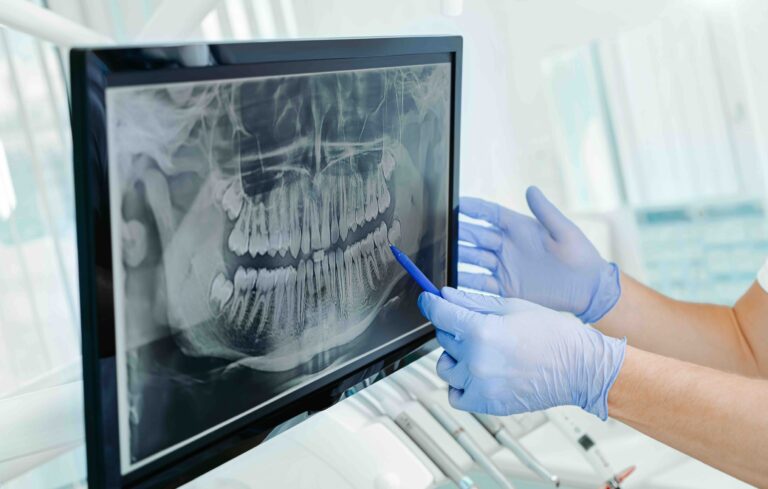
Good Gum Disease Treatment starts with a precise diagnosis. That means more than a quick look in the mirror. A periodontal evaluation typically includes measuring pocket depths around each tooth, assessing bleeding, checking for gum recession, evaluating tooth mobility, and reviewing X-rays for bone loss. The pattern of disease tells the story.
A patient with mild gingivitis may show generalized bleeding and puffiness but no significant bone loss and no deep pockets. A patient with periodontitis often has deeper probing depths, localized or generalized bone loss on radiographs, and areas where the gum attachment has migrated apically. Those details matter because treatment for simple gingivitis is not the same as treatment for active periodontitis.
One practical issue is that inflammation itself can distort the picture. Swollen tissue may make pockets appear deeper initially. After cleaning and reduced inflammation, the gums often tighten and measurements improve. This is one reason re-evaluation is so important after initial therapy. It separates temporary inflammatory swelling from true structural loss.
The first phase of Gum Disease Treatment
For most people, treatment begins with mechanical removal of plaque and calculus. If the inflammation is limited to gingivitis, a thorough prophylactic cleaning combined with tailored hygiene instruction may be enough. If pockets are deeper or tartar extends below the gumline, scaling and root planing is often recommended. This is commonly called a deep cleaning, though the term is informal.
Scaling removes deposits from the tooth surface and beneath the gums. Root planing smooths contaminated root surfaces so the tissue can reattach more favorably and bacteria have fewer places to cling. Depending on the extent of disease, treatment may be completed in sections and may involve local anesthetic for comfort.
Patients often ask whether a deep cleaning is painful. The honest answer is that it is usually manageable, and modern local anesthesia makes a substantial difference. The gums may feel sore or tender afterward for a few days, especially in areas that were heavily inflamed. Mild sensitivity to cold can occur when root surfaces are newly exposed after calculus is removed. That sensitivity often settles as the tissue heals.
What matters is that the treatment addresses the source, not just the visible redness. Mouthwash alone cannot remove subgingival calculus. Neither can brushing harder. When inflammation persists because deposits remain below the gumline, professional instrumentation is the key step.
What happens after deep cleaning
The first one to two weeks after scaling and root planing often tell a lot. Bleeding usually begins to decrease. Puffiness subsides. The gums may look less swollen and more defined around the teeth. Breath often improves. That said, the response varies. A person with light to moderate disease who follows instructions carefully may show striking improvement quickly. Someone who smokes heavily, has uncontrolled diabetes, or has more advanced periodontitis may need a longer healing period and additional intervention.
The re-evaluation visit is not a formality. It is where the clinician checks whether the pockets have reduced, whether bleeding has decreased, and whether certain sites remain active. Some pockets close nicely once inflammation is controlled. Others continue to harbor disease because the anatomy is difficult, the pocket is very deep, the furcation between roots is involved, or residual calculus remains.
At that stage, the treatment plan becomes more tailored. Some patients transition to periodontal maintenance at three- or four-month intervals. Others need site-specific retreatment, localized antimicrobials, or referral to a periodontist.
Home care that actually supports healing
There is a noticeable difference between generic advice and practical advice. Telling someone to “brush and floss more” is often too vague to help. The details matter. A soft toothbrush angled gently toward the gumline is more effective than a hard scrub across the tooth surface. Slow, controlled passes where the tooth meets the gum remove plaque better than aggressive horizontal brushing. Interdental cleaning should match the space. Traditional floss works well for tight contacts, while interdental brushes can outperform floss in wider areas or around bridges and implants.
A home routine that commonly helps after professional treatment includes:
- Brushing twice daily for two full minutes with a soft brush and careful attention to the gumline.
- Cleaning between the teeth once daily with floss, interdental brushes, or another tool recommended for your spacing.
- Using an antimicrobial or therapeutic rinse only if advised, especially when inflammation is active.
- Avoiding tobacco, or at minimum reducing exposure while the gums are healing.
- Returning for reassessment and maintenance on schedule, even if symptoms seem better.
One of the most common reasons inflammation lingers is inconsistency in the places that matter most. Many people clean the front teeth well because they are easy to see, but miss the back molars, the tongue side of lower front teeth, or the distal surface behind the last tooth in the arch. Those neglected sites are classic trouble spots.
When basic treatment is not enough
Not all persistent inflammation responds fully to cleaning and improved home care. That does not mean treatment failed. It usually means the disease is more complex or another factor is maintaining it.
Deep residual pockets may need periodontal surgery to gain access for thorough debridement or to reshape tissue for better cleansability. In some cases, regenerative procedures are considered where bone defects have a favorable shape. Crown lengthening, replacement of overhanging restorations, or correction of food traps between teeth may be necessary if dental anatomy is contributing to the problem.
There are also situations where biting forces play a role. A tooth that absorbs excessive occlusal force can develop localized mobility and inflammation that will not fully settle until the bite is adjusted or the parafunctional habit is addressed. Night grinding can worsen the picture. It does not cause gum disease by itself, but it can aggravate already compromised support.
Localized antibiotics may be appropriate in selected cases, particularly stubborn pockets that do not respond as expected. Systemic antibiotics are not routine for standard periodontal therapy and should not be used casually. Their role is limited and depends on the clinical scenario. Good mechanical cleaning remains the foundation.
The role of a periodontist
General dentists manage a wide range of gum disease cases effectively, especially mild to moderate disease. A periodontist becomes especially valuable when inflammation persists despite treatment, when pockets are deep, when there is notable recession or mobility, or when surgical therapy may improve long-term outcomes.
Referral is also sensible for patients with medical complexity, advanced bone loss at a younger age, or anatomical challenges such as furcation involvement. In practice, the best outcomes often come from coordinated care. A general dentist may identify the problem early, begin therapy, and monitor restorative issues, while a periodontist handles advanced periodontal management.
Patients sometimes worry that referral means something has gone badly wrong. Often it simply reflects good judgment. Persistent gum inflammation deserves a level of expertise that matches its severity.
What results are realistic
A realistic conversation about outcomes helps avoid frustration. Gingivitis can usually resolve fully when plaque and tartar are removed and home care improves. The tissue can look and feel normal again. Periodontitis is different. The aim is control, not a full reset to untouched anatomy.
After successful Gum Disease Treatment, gums may appear less puffy and slightly lower because swollen tissue has tightened. Some patients mistake this for worsening recession when it is actually healing that reveals the true contour of the teeth. Teeth may feel cleaner but temporarily more sensitive. Deep pockets may become shallower, but not every site returns to an ideal depth. Long-term success often depends on maintenance visits every three to four months rather than standard six-month cleanings.
This is one of the most important points in periodontal care: stability is a successful outcome. If inflammation is reduced, bleeding is controlled, pockets are manageable, and bone levels remain stable over time, treatment is doing its job.
Signs that need prompt evaluation
Certain symptoms should not wait for the next routine cleaning. These do not always mean severe disease, but they warrant timely assessment:
- gums that bleed daily for more than one to two weeks
- swelling, pus, or a bad taste that keeps returning
- teeth that feel loose or shift position
- persistent bad breath despite cleaning
- pain when biting, especially around a tooth with inflamed gums
A brief delay may not change much in a stable case, but prolonged postponement often allows inflammation to deepen and makes treatment more involved later.
The maintenance phase is where success is protected
It is easy to think treatment ends once the bleeding stops. In reality, maintenance is where periodontal health is preserved. People who have had persistent gum inflammation are usually more susceptible to recurrence, especially if they have deep grooves on roots, crowded teeth, diabetes, smoking history, or reduced dexterity that makes home cleaning harder.
Periodontal maintenance is not the same as a routine cosmetic cleaning. It is more focused, more deliberate, and designed around disease history. The clinician checks for bleeding points, pocket changes, tartar recurrence, and areas where hygiene is slipping. Small setbacks can be corrected before they become major relapses.
One pattern seen often is the patient who feels better after treatment, gradually stretches recall visits, and then returns a year later with renewed bleeding and deeper pockets. Gum disease has a chronic component in many adults. That means control is ongoing, not one-and-done.
Practical obstacles that deserve honest discussion
Professional advice sometimes sounds straightforward because the obstacles are not being named. Some patients struggle with dexterity because of arthritis. Some work long shifts and barely manage the basics by the end of the day. Some cannot tolerate floss and need alternatives. Some avoid care because they had a painful cleaning years ago and expect a repeat of that experience.
Those barriers matter. The right plan is not the most idealized plan on paper, it is the plan a person can follow consistently. For one patient, that may mean using small interdental brushes instead of floss. For another, it may mean scheduling shorter visits, using topical and local anesthetic more generously, or arranging more frequent maintenance because heavy tartar forms quickly. A patient with dry mouth may need saliva-supportive strategies in addition to periodontal care. Someone with diabetes may benefit from tighter coordination between dental and medical care.
When treatment is individualized, persistent inflammation becomes much more manageable.
The bottom line for persistent gum inflammation
Gums that stay red, swollen, or prone to bleeding are giving useful information. They are signaling that the tissue is reacting to an ongoing irritant, most often bacterial buildup that has outpaced routine home care. Sometimes the fix is simple, sometimes it requires deeper periodontal therapy, and sometimes it reveals a broader health or restorative issue that has to be corrected before the gums can settle.
Good Gum Disease Treatment is not just about cleaning the teeth. It is about diagnosis, removal of bacterial deposits above and below the gumline, reassessment, and a maintenance strategy that fits the person behind the mouth. When that sequence is followed carefully, even stubborn inflammation often improves far more than patients expect.
The sooner persistent gum problems are evaluated, the more options tend to be available, and the easier it is to preserve comfort, function, and long-term tooth support.
Dental Group Of Beverly Hills
Address: 8641 Wilshire Blvd #125, Beverly Hills, CA 90211
Phone number: +13109296335
FAQ About Gum Disease Treatment
How to improve gum health quickly?
To improve gum health quickly, eliminate plaque buildup by brushing for two full minutes twice a day at a 45-degree angle to the gumline. Floss daily to clean under the gumline, and rinse with an antimicrobial, alcohol-free mouthwash. For immediate relief of soreness, use a warm saltwater rinse.
What is the fastest way to cure gum disease?
To quickly cure early-stage gum disease (gingivitis), eliminate the plaque buildup causing the inflammation. Brush gently but thoroughly for two minutes twice daily, floss daily, and use an antibacterial mouthwash or a warm saltwater rinse. However, if tartar has hardened, professional treatment is necessary.
How do I treat my gum disease at home?
You can treat early gum disease at home by practicing strict daily oral hygiene, rinsing with salt water or antibacterial mouthwash, and quitting smoking. True gum disease (especially advanced forms like periodontitis) cannot be fully cured at home once tartar forms, and you must see a dentist for professional cleanings.