Gum Disease Treatment for Bleeding Gums: Effective Solutions

Bleeding gums are easy to dismiss. Many people notice pink in the sink, assume they brushed too hard, and move on. Sometimes that is exactly what happened. More often, though, bleeding is the earliest visible sign that the gums are inflamed and struggling. In clinical practice, patients rarely come in saying, “I think I have gum disease.” They say their gums bleed when they floss, their breath seems off, or one area feels tender when they bite into an apple. Those small changes matter.
The phrase Gum Disease Treatment covers a wide range of care, from a better home routine to deep cleaning under the gumline, and in advanced cases, surgery or tooth replacement planning. The right treatment depends on how far the disease has progressed. The encouraging part is that bleeding gums often improve dramatically when the cause is identified early and treated properly.
What bleeding gums usually mean
Healthy gums do not typically bleed with normal brushing or flossing. If they do, the most common reason is plaque buildup at the gumline. Plaque is a sticky bacterial film that forms constantly on the teeth. When it is not removed well enough, the gums react with inflammation. That early stage is called gingivitis.
Gingivitis is still reversible. The tissue is irritated, puffy, and prone to bleeding, but the supporting bone around the teeth has not yet been destroyed. Many patients are surprised to learn how quickly gingivitis can improve. With proper cleaning, consistent flossing or interdental cleaning, and professional removal of hardened deposits, the bleeding often settles down within days to a few weeks.
When the problem goes untreated, gingivitis can progress to periodontitis. That is the stage where the inflammation extends deeper, affecting the ligament and bone that hold the teeth in place. At that point, treatment becomes more involved. Bleeding may still be present, but so may gum recession, bad breath, sensitivity, tooth shifting, and pockets around the teeth where bacteria can hide.
Not every case of bleeding gums is caused by gum disease. Aggressive brushing, ill-fitting dental appliances, hormonal changes, dry mouth, smoking cessation changes, and certain medications can contribute. Blood thinners do not usually cause gum disease, but they can make existing gum inflammation more noticeable because the tissue bleeds more easily. Vitamin deficiencies are less common in routine dental settings, but they can play a role in some patients. The key point is simple: repeated bleeding deserves a closer look.
The first question to answer is how advanced the disease is
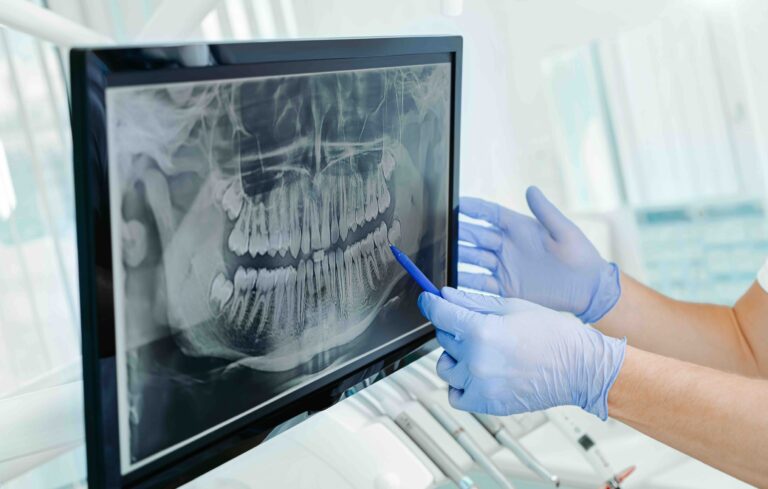
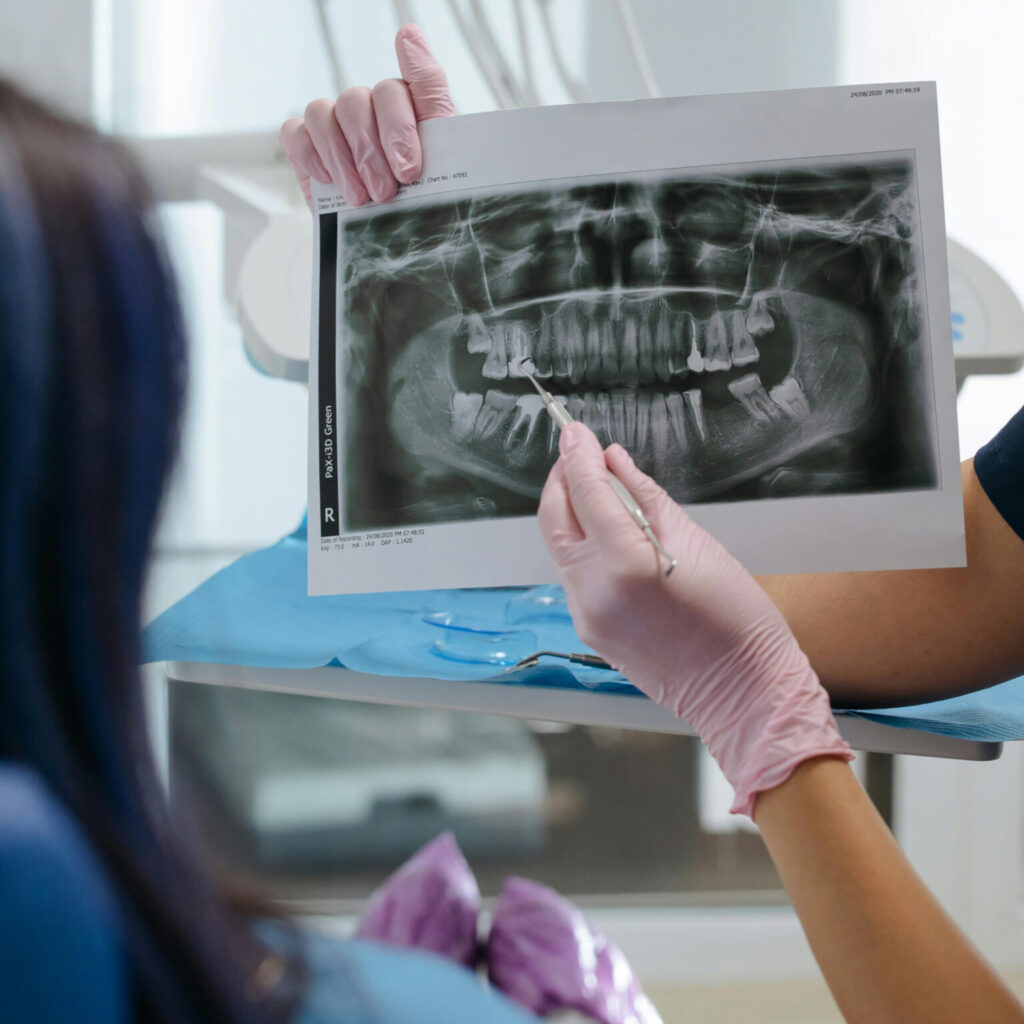
Effective treatment starts with diagnosis, not guesswork. A brief glance in the mirror is not enough to determine whether you have mild gingivitis or more advanced periodontal disease. Dentists and hygienists assess bleeding, plaque levels, tartar buildup, pocket depths, gum recession, tooth mobility, and often dental X-rays to evaluate bone support.
Pocket measurements are especially useful. In a healthy mouth, the space between tooth and gum is shallow and easier to keep clean. As gum disease progresses, that space deepens. Deep pockets do not automatically mean surgery, but they do indicate that regular brushing alone cannot reach the bacteria living below the gumline.
I have seen many patients do what seems sensible at home, brush more often, use mouthwash twice a day, switch toothpaste three times, yet the bleeding continues because hardened tartar is still attached beneath the gums. Once that deposit is there, no toothpaste removes it. Professional instrumentation is needed.
Early gum disease treatment can be surprisingly straightforward
When bleeding gums stem from gingivitis, treatment is usually conservative and effective. A routine professional cleaning removes plaque and tartar from above and slightly below the gumline. That alone reduces the bacterial load enough for the tissue to calm down. Home care then becomes the deciding factor in whether the gums stay healthy.
The challenge is that inflamed gums often bleed most when patients finally begin flossing regularly, and that can make them stop. They assume the floss is harming them. In reality, the bleeding usually reflects preexisting inflammation. If the technique is gentle and consistent, the bleeding tends to decrease rather than worsen.
A practical home routine for early gum disease treatment often includes the following:
- Brush twice daily for two full minutes with a soft-bristled toothbrush or an electric brush.
- Clean between the teeth once a day with floss, interdental brushes, or water flossing if recommended.
- Use an antimicrobial or fluoride rinse when your dentist advises it, rather than choosing one at random.
- Replace worn brush heads promptly, since frayed bristles clean poorly and can irritate the gums.
- Return for professional cleaning at the interval that matches your risk, often every three to six months.
These steps sound basic because they are basic, but basic does not mean minor. Small technical improvements, especially at the gumline and between the teeth, often make the difference between ongoing bleeding and healthy tissue.
When a routine cleaning is not enough
If the disease has progressed beyond gingivitis, the standard next step is scaling and root planing, often called deep cleaning. This treatment targets bacterial deposits and tartar below the gumline where a routine cleaning cannot fully address them. Local anesthetic is frequently used, because the goal is thoroughness, not speed.
Scaling removes hardened deposits from the tooth surfaces and the root. Root planing smooths contaminated root surfaces to help the gum tissue heal and reattach as much as possible. The wording can sound old-fashioned, but the principle remains important. Rough, bacteria-coated root surfaces make healing harder. Clean, smooth surfaces give inflamed tissue a better chance.
Patients sometimes expect deep cleaning to be a one-time cure. It is better thought of as a reset. It lowers the bacterial burden, reduces inflammation, and creates conditions in which home care and follow-up maintenance can work. Without that ongoing maintenance, the disease often returns.
There are trade-offs. Deep cleaning can lead to temporary tenderness, sensitivity to cold, and the impression that the teeth look longer because swollen gum tissue shrinks down as it heals. That can be unsettling, but it often reflects healthier, less inflamed gums rather than damage caused by the treatment itself.
What recovery usually looks like
Healing after Gum Disease Treatment is not identical for everyone. Smokers heal more slowly. Patients with poorly controlled diabetes often have more persistent inflammation. People who clench or grind may also notice soreness that overlaps with periodontal discomfort.
Still, some patterns are common. The gums may feel tender for a day or two after deep cleaning. Mild bleeding can occur at first, but repeated spontaneous bleeding should decrease. Many patients report that their mouth feels cleaner in a way they had not realized was missing. Breath often improves quickly because the bacterial load has been reduced.
The more meaningful changes appear over the next several weeks. Puffiness settles. The gums look firmer and less shiny. Brushing no longer leaves pink foam in the sink. Follow-up measurements may show reduced pocket depths, especially where inflammation rather than irreversible tissue loss was the main problem.
That follow-up matters. Dentists typically re-evaluate the tissue after healing to see whether the treatment was enough. Some areas respond beautifully. Others, especially deeper pockets around molars or sites with complex root anatomy, may continue to harbor bacteria and require additional care.
The role of medicated rinses, antibiotics, and local treatments
Patients often ask whether they can skip the deep cleaning and just use an antibiotic or prescription rinse. Usually, no. Medication can support treatment, but it does not replace mechanical removal of plaque and tartar.
Chlorhexidine rinse is sometimes prescribed for short-term use. It can reduce bacterial levels, but it is not meant to be an indefinite solution. Long-term use may stain teeth and alter taste perception. It is useful when targeted appropriately, not as a casual substitute for cleaning.
Antibiotics may be considered in selected cases, especially aggressive or refractory periodontal disease, but they are not routine for every patient with bleeding gums. Overprescribing antibiotics is poor medicine. Periodontal disease is primarily a biofilm problem attached to tooth surfaces. If the source remains in place, pills alone rarely solve it.
Some practices also use localized antimicrobials placed directly into deeper pockets after scaling and root planing. These can help in certain sites, though results vary and they are usually adjuncts rather than the central treatment.
When surgery enters the conversation
Surgery sounds intimidating, but in periodontics it often serves a clear, practical purpose. If pockets remain deep after non-surgical treatment, the clinician may recommend a flap procedure to gain access for better root cleaning and, in some situations, reshape bone defects or place regenerative materials.
Not every deep pocket needs surgery, and not every patient is a good candidate for regenerative procedures. The decision depends on the pattern of bone loss, overall health, oral hygiene, smoking status, and the strategic value of the tooth. There is real judgment involved. Saving a tooth is generally worthwhile, but not at any cost or under any circumstances.
Gum grafting is a different category of treatment. It addresses recession, root exposure, and in some cases a thin gum tissue type that leaves certain teeth vulnerable. Grafting does not treat generalized periodontitis by itself, but it may be part of the overall plan once inflammation is controlled.
Advanced disease sometimes forces harder conversations. A tooth with severe bone loss, mobility, and persistent infection may have a poor prognosis even after treatment. In those cases, extraction followed by thoughtful replacement planning can be more predictable than repeated attempts to rescue a failing tooth.
The medical factors that change outcomes
Gum disease does not exist in isolation. Blood sugar control has a strong relationship with periodontal health. Patients with diabetes often notice that bleeding and swelling improve when glucose levels are better managed. The relationship also goes the other direction, since chronic gum inflammation can make diabetic control harder.
Smoking remains one of the strongest risk factors for poor periodontal outcomes. One of the frustrating features of smoking-related gum disease is that the gums may bleed less than expected, masking the severity of the problem. Reduced bleeding does not mean healthier tissue. It can mean blood flow is altered and the usual warning signs are muted. Once patients stop smoking, bleeding sometimes becomes more noticeable for a period, not because the mouth is worse, but because the tissue is responding more normally.
Dry mouth also matters. Saliva helps buffer acids and modulate the oral environment. Patients on multiple medications, especially older adults, often struggle with plaque control because their mouth feels persistently dry. They may need more frequent maintenance and adjunctive products.
Pregnancy, puberty, and menopause can all influence gum response. Hormonal shifts do not create plaque, but they can exaggerate the tissue reaction to plaque that is already there. That is why some otherwise diligent patients suddenly notice bleeding during life stages when their usual habits no longer seem sufficient.
Why home care fails even in motivated people
Lack of effort is not always the issue. Technique, access, and anatomy can get in the way. Tight contacts between teeth, crowded lower front teeth, bridges, orthodontic appliances, and partially erupted wisdom teeth all make plaque control harder.
A common example is the patient who brushes faithfully but never cleans between the teeth because flossing feels awkward or painful. The visible surfaces may look decent, yet the papillae between the teeth remain inflamed. Another is the patient with older crowns that trap plaque at the margins. In those cases, the person may be doing their part, but the restorations or anatomy create a chronic plaque-retentive environment.
This is where individualized instruction helps. A small interdental brush may work better than floss in one area. A tufted brush may help around a tilted molar. An electric toothbrush may improve consistency for someone who rushes manual brushing. There is no prize for using the “ideal” tool if you cannot use it effectively. The best tool is the one that cleans the area thoroughly and gets used every day.
Warning signs that should prompt prompt care
Bleeding with flossing can be an early clue, but more advanced gum disease tends to bring a wider cluster of symptoms. If any of the following are present, it is wise to schedule an evaluation rather than wait:
- bleeding that continues for more than a week despite gentle, consistent cleaning
- gums that look swollen, shiny, or unusually red
- persistent bad breath or a bad taste that returns quickly after brushing
- gum recession, new spaces between teeth, or teeth that seem to shift
- tenderness when chewing, looseness, or pus near the gumline
These changes do not always mean severe disease, but they do mean the gums need attention.
What maintenance actually involves after treatment
One of the least understood parts of Gum Disease Treatment is periodontal maintenance. After active treatment, especially after scaling and root planing, many patients are placed on a maintenance schedule rather than simply returning to standard six-month cleanings. That distinction matters.
Maintenance visits are designed for patients with a history of periodontal disease. The clinician monitors pocket depths, bleeding, mobility, plaque control, and site-specific recurrence. Deposits are removed more carefully from vulnerable areas, including pockets and root surfaces where needed. These appointments are not merely “extra cleanings.” They are surveillance and prevention for a chronic condition that can relapse quietly.
The interval is often every three or four months, especially in the first year after treatment. For some stable patients, it can lengthen later. For others, particularly smokers, diabetics, and patients with persistent deeper pockets, frequent maintenance remains the safest option long term.
A patient once described maintenance perfectly after years of stop-and-start care: “It’s easier to stay out of trouble than to dig out of it again.” https://messiahqmvx975.quantlynix.com/posts/how-to-spot-early-symptoms-before-you-need-gum-disease-treatment That is the practical truth of periodontal therapy.
Cost, value, and where shortcuts usually fail
Cost is a real concern, and periodontal treatment can feel expensive when multiple quadrants, X-rays, anesthesia, and follow-up visits are involved. The temptation is to delay, request the cheapest possible version, or focus only on the tooth that currently hurts.
The trouble is that gum disease is rarely confined to one dramatic site. It is a mouth-wide inflammatory process with local hot spots. Treating only the most obvious area may leave the larger problem in place. In the short term, that can seem economical. In the long term, it often leads to repeated visits, more bone loss, and higher restorative costs.
There are also false economies in products. Expensive toothpaste alone will not compensate for ineffective brushing technique or heavy tartar buildup. Overusing strong mouthwash can create a false sense of security while the disease progresses underneath. Patients often do better with a simple, disciplined routine and timely professional care than with a shelf full of specialty products.
What realistic success looks like
Success does not always mean returning every gum measurement to textbook normal. In early cases, that can happen. In more advanced disease, success often means halting progression, reducing bleeding, shrinking pockets, preserving function, and keeping the teeth stable and comfortable for years.
That distinction is important because many patients feel discouraged when they hear that prior bone loss will not fully grow back on its own. The goal is still meaningful. Stabilized periodontitis is a very good outcome. If the gums stop bleeding, the tissue firms up, the infection is controlled, and the teeth remain maintainable, that is effective treatment.
There is also a behavioral side to success. Patients who understand what caused the problem and how to maintain the result tend to do well. Patients who view treatment as a single event rather than an ongoing partnership often cycle back into inflammation.
A sensible path if your gums are bleeding now
If your gums bleed occasionally after an isolated episode of hard brushing, the fix may be simple. If the bleeding is repeated, predictable, or paired with swelling or bad breath, do not wait for pain. Gum disease can advance with very little discomfort.
Start with a dental evaluation that includes a periodontal assessment. Ask whether the issue appears to be gingivitis or periodontitis, whether bone loss is present, and what kind of cleaning is actually indicated. If treatment is recommended, follow through promptly, then give equal attention to the home routine and maintenance schedule that protect the result.
Bleeding gums are often the first warning, not the final damage. Treated early, they respond well. Treated thoroughly, even more advanced cases can often be brought under control. That is the most practical message in gum care: small symptoms deserve respect, and timely Gum Disease Treatment can make a lasting difference.
Dental Group Of Beverly Hills
Address: 8641 Wilshire Blvd #125, Beverly Hills, CA 90211
Phone number: +13109296335
FAQ About Gum Disease Treatment
How to improve gum health quickly?
To improve gum health quickly, eliminate plaque buildup by brushing for two full minutes twice a day at a 45-degree angle to the gumline. Floss daily to clean under the gumline, and rinse with an antimicrobial, alcohol-free mouthwash. For immediate relief of soreness, use a warm saltwater rinse.
What is the fastest way to cure gum disease?
To quickly cure early-stage gum disease (gingivitis), eliminate the plaque buildup causing the inflammation. Brush gently but thoroughly for two minutes twice daily, floss daily, and use an antibacterial mouthwash or a warm saltwater rinse. However, if tartar has hardened, professional treatment is necessary.
How do I treat my gum disease at home?
You can treat early gum disease at home by practicing strict daily oral hygiene, rinsing with salt water or antibacterial mouthwash, and quitting smoking. True gum disease (especially advanced forms like periodontitis) cannot be fully cured at home once tartar forms, and you must see a dentist for professional cleanings.