Can Professional Gum Disease Treatment Strengthen Your Smile?
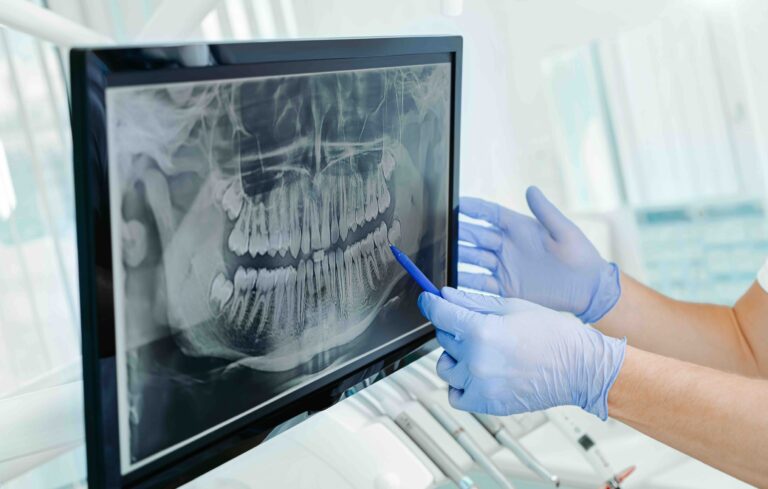

A stronger smile is not only about whiter teeth or straighter alignment. In practice, it usually comes down to something less glamorous and far more important: healthy gums. When the gums are inflamed, infected, or slowly pulling away from the teeth, the entire foundation of the smile becomes less stable. Teeth can look longer, feel sensitive, shift slightly, or develop a dull appearance that whitening alone will never fix. That is why professional gum disease treatment matters so much. It does more than control infection. In many cases, it helps preserve the shape, comfort, and resilience of the smile itself.
People often think of gum disease as a minor nuisance, a bit of bleeding during brushing, maybe some tenderness near the floss line. Early on, that is exactly why it gets overlooked. The disease is usually quiet. It progresses in stages, and the most destructive phase can unfold with surprisingly little pain. By the time a person notices persistent bad breath, loose teeth, gum recession, or changes in the way the bite feels, the problem is no longer cosmetic. It is structural.
The good news is that gum health responds well to timely care. Not every case requires surgery, and not every patient faces severe bone loss. But almost every patient with active gum disease benefits from treatment tailored to the depth of infection and the condition of the surrounding tissues. When the infection is brought under control, the mouth becomes easier to clean, inflammation settles, bleeding declines, and the tissues that support the teeth have a chance to recover. That recovery often strengthens the smile in visible and practical ways.
What gum disease actually does to a smile
To understand whether treatment can strengthen a smile, it helps to be clear about what gum disease weakens.
Gum disease starts with bacterial plaque that is not fully removed from the teeth and gumline. The body responds with inflammation. In the earliest stage, gingivitis, the gums may look redder than usual, feel puffy, and bleed when brushing or flossing. At that point, the damage is typically reversible. Once the infection advances below the gumline and begins affecting the ligament and bone that hold the teeth in place, the diagnosis shifts to periodontitis. That is where the stakes rise.
A healthy smile depends on more than enamel. Each tooth is suspended in a complex support system made of gum tissue, periodontal ligament, cementum, and surrounding bone. Gum disease gradually breaks down that support. Pockets form around the teeth, making it easier for bacteria to thrive. Bone resorbs. Gums recede. Teeth can drift, especially in the front where even subtle movement shows quickly. For some patients, the first clue is cosmetic. Their teeth look longer, darker near the roots, or slightly spread apart. Others notice function first. Biting into crusty bread feels different. A back tooth starts trapping food. Floss slips into spaces that used to feel snug.
That is why the phrase “strengthen your smile” is more accurate than many people realize. A smile is strong when the tissues around the teeth are healthy enough to support comfort, function, and appearance over time. Professional Gum Disease Treatment addresses those supporting tissues directly.
The visible and invisible gains after treatment
One of the most satisfying parts of periodontal care is that improvement often shows up in small but meaningful ways before patients expect it. The gums stop bleeding every time they brush. Morning breath improves. The mouth feels cleaner, not just freshly brushed. Food stops packing as deeply between certain teeth. Tenderness fades.
These changes may sound modest, but they often signal something substantial. Reduced bleeding means less active inflammation. Shallower pockets mean the patient can clean more effectively at home. Healthier tissues fit more firmly around the teeth. Even if a case is advanced and some previous damage cannot be reversed, disease control can halt the process that would otherwise continue undermining the smile.
From a cosmetic standpoint, professionally treated gums often look firmer and more even in color. Instead of appearing swollen and shiny, they regain a matte, coral-pink appearance, though normal gum color varies by person. Swelling reduction can also change the contour around teeth. Sometimes this makes teeth appear cleaner and better defined. Other times, especially if swelling had been hiding recession, patients feel briefly surprised that a tooth looks longer after treatment. That is not new damage from treatment. It is the healthier, less inflamed gum tissue revealing the actual contour underneath.
Function improves too. Teeth with reduced inflammation around them often feel less sore during chewing. Patients with mild mobility may notice more confidence when eating once the infection is stabilized and occlusal stress is managed. In severe cases, splinting, bite adjustment, or restorative planning may be needed alongside periodontal care, but disease control is still the first and most important step.
Why home care alone is not enough once disease progresses
There is a persistent belief that if someone brushes harder, switches toothpaste, or flosses more faithfully for a few weeks, the problem will sort itself out. That can be true for very early gingivitis. It is not true for established periodontitis.
Once plaque hardens into tartar, especially below the gumline, it adheres to tooth surfaces in a way toothbrush bristles and floss cannot remove. The rough surface traps even more bacteria. The pocket becomes a protected environment where inflammation persists. A diligent patient may clean the visible crown beautifully and still have active disease beneath the gumline.
Professional treatment changes that environment. By removing hardened deposits and disrupting bacterial colonies in areas that home tools cannot reach, clinicians give the tissue a chance to reattach as much as the situation allows. This is one of the biggest practical differences between routine cleaning and therapeutic periodontal care. A standard preventive cleaning is designed for mouths without significant active periodontal breakdown. Gum Disease Treatment is performed because deeper disease is already present.
That distinction matters. Many patients delay treatment because they assume all “cleanings” are interchangeable, or because the mouth does not hurt enough to feel urgent. Yet the longer infection remains active, the more support can be lost around the teeth.
What professional gum disease treatment usually involves
Treatment is not one single procedure. It is a category of care that depends on severity, pocket depth, bleeding patterns, bone levels, medical history, smoking status, and how well the patient can maintain plaque control at home.
For many patients, the first phase is scaling and root planing. This is a deep cleaning procedure that removes plaque, tartar, and bacterial toxins from below the gumline and smooths the root surfaces. Local anesthetic is often used because the work reaches inflamed, sensitive areas. Some offices divide treatment by quadrants, treating one or two sections of the mouth per appointment. Others use full-mouth approaches in specific situations.
After healing, the gums are reassessed. This reevaluation is where clinical judgment matters. Not every pocket disappears. Some areas respond beautifully. Others remain stubborn because of root anatomy, furcations in molars, old restorations that trap plaque, or long-standing bone loss. If deeper pockets persist, additional treatment may include localized antimicrobial therapy, laser-assisted methods in selected practices, periodontal surgery, or referral to a periodontist.
A common sequence looks like this:
- Comprehensive periodontal exam with pocket measurements and, when needed, radiographs.
- Initial infection control, often scaling and root planing.
- Re-evaluation after several weeks of healing.
- Further therapy for sites that remain unstable.
- Periodontal maintenance at tailored intervals, often every three to four months rather than every six.
This sequence may sound straightforward, but real life rarely is. A patient with diabetes, dry mouth from medications, grinding habits, crowded lower front teeth, and inconsistent home care will not heal the same way as a healthy nonsmoker with early disease. That is why treatment plans should be individualized rather than copied from a template.
The difference between saving tissue and rebuilding it
Patients often ask whether treatment “puts the gums back.” The honest answer depends on what has been lost.
Inflammation can improve significantly. Swelling can resolve. Bleeding can stop. Some soft tissue tightening occurs as the gums heal. Pocket depths often reduce because inflamed tissue shrinks and the tissue adapts more closely to the tooth. These changes absolutely strengthen the smile.
Regrowing bone or fully reversing recession is less predictable. Once significant periodontal attachment is lost, complete regeneration is not guaranteed. Certain regenerative procedures, such as bone grafting, guided tissue regeneration, or biologic materials, can help in carefully selected defects. Gum grafting can improve recession in many cases, especially when roots are exposed and sensitivity or cosmetic concerns are present. But these are targeted therapies, not magic resets.
That distinction is important because unrealistic expectations can lead people to dismiss treatment when they hear it cannot make everything “like new.” In truth, preserving what remains is often the victory. If a treatment halts active disease, helps a patient keep natural teeth for many more years, and restores comfort and confidence, that is substantial success.
What stronger looks like in daily life
A stronger smile is not just what shows up in a mirror under bright bathroom lighting. It is what holds up through ordinary days. Patients usually describe improvement in practical terms.
They say brushing no longer ends with pink foam in the sink. They notice that one front tooth no longer feels strange when they bite into an apple. They realize they are smiling in photos without angling their lips to hide inflamed gums. Sometimes a spouse or partner notices first, especially when chronic bad breath improves.
One patient https://maps.app.goo.gl/eVMwJJ9yZvqnPZvx9 example that comes up often in clinical settings involves people who assumed bleeding was normal because it had been happening for years. After periodontal treatment and a few months of maintenance, they are surprised by how clean the mouth feels. That sensation is hard to fake and hard to forget. It tends to motivate better long-term habits because the benefits are immediate and tangible.
Another example involves orthodontic relapse or slight tooth movement in adults. Sometimes patients think they need braces again, and sometimes they do. But if the underlying gums are inflamed and bone support is weakening, moving teeth without stabilizing the periodontium first is risky. Treating the gum disease may not straighten the teeth, but it creates a healthier foundation for any future cosmetic or orthodontic work.
When treatment can make the smile look different before it looks better
There is an awkward phase that deserves honest discussion. After deep cleaning or surgical treatment, the gums can look different during healing. Swelling goes down. Spaces between teeth may seem more visible. Recession may appear more obvious than it did when tissue was puffy and inflamed. Sensitivity to cold can increase temporarily, especially if roots were already exposed but hidden by inflammation.
This is where good communication matters. Health and appearance do not always improve in exactly the same sequence. A patient may need time to adapt to the cleaner, tighter look of healed gums. For some, the next step is not more periodontal treatment but restorative or cosmetic refinement, such as bonding black triangles, adjusting crowns that no longer fit the tissue well, or considering grafting in strategic areas.
That does not mean the treatment failed. It means the mouth is finally showing its true architecture, and the dentist can plan from a stable baseline rather than from swollen, diseased tissue.
The role of maintenance, which is where long-term strength is won or lost
One of the most common misunderstandings about Gum Disease Treatment is that it is a one-time fix. In reality, periodontitis behaves more like a chronic condition than a single event. It can be controlled extremely well, but it requires maintenance.
After active treatment, patients at periodontal risk are typically placed on more frequent professional care, often every three or four months. That schedule is not arbitrary. It reflects how quickly harmful bacterial populations can repopulate below the gumline in susceptible patients. Waiting six months may be fine for someone with healthy gums and low risk. It is often too long for someone who has already shown attachment loss.
Maintenance visits are also where clinicians catch subtle changes early. A site that deepens from four millimeters to six, or a molar furcation that begins retaining more plaque, can be addressed before it becomes a crisis. Those small course corrections are what preserve teeth over years.
At home, technique matters more than product hype. Electric brushes can help many patients because they improve consistency, especially along the gumline. Interdental brushes are often more effective than floss for larger spaces and recessed areas. Water flossers can be useful adjuncts, especially for bridges, implants, orthodontic appliances, or patients with dexterity issues. Antimicrobial rinses may have a role, though they are not substitutes for mechanical plaque removal.
Cases where treatment is especially important
Certain patterns deserve quicker action because the consequences of delay tend to be greater.
Patients who smoke or vape heavily often show less obvious bleeding despite more serious disease, which can create false reassurance. People with diabetes, especially if blood sugar is not well controlled, may experience more severe inflammation and slower healing. Pregnant patients can develop exaggerated gum responses to plaque. People taking medications that reduce saliva, such as many antidepressants, antihistamines, and blood pressure drugs, may see plaque accumulate faster and tissues become more vulnerable. A family history of early tooth loss also matters. Some patients do many things right and still develop aggressive periodontal breakdown because of genetic susceptibility and immune response patterns.
In those situations, treatment is not simply about cleaning the mouth. It is about reducing a biologic burden that can accelerate quickly under the wrong conditions.
Questions worth asking before starting care
Patients often feel more confident when they understand not only what is recommended, but why. A few practical questions can clarify the picture:
- How deep are the pockets, and which areas are most affected?
- Is there bone loss, and if so, how much can be seen on radiographs?
- What type of treatment is recommended now, and what alternatives exist?
- What changes should I expect in appearance, comfort, and sensitivity after treatment?
- How often will I likely need maintenance once this phase is complete?
These questions tend to produce better conversations than simply asking whether treatment is “really necessary.” They shift the focus from sales anxiety to clinical reasoning.
The link between gum health and future dental work
A smile that looks good today still needs a healthy foundation if it is going to stay that way. Gum disease can compromise almost every other investment a patient makes in dentistry. Crowns placed on unstable teeth are harder to maintain. Veneers look less harmonious when the gumline is inflamed or uneven. Implants placed in a patient with uncontrolled periodontal disease face a higher risk of complications around the implant tissues. Even whitening results tend to feel less impressive when the gums are red and swollen.
That is why many comprehensive dental plans begin with periodontal stabilization. It is not the exciting part. Few patients arrive asking for root planing with the same enthusiasm they bring to whitening or cosmetic bonding. Yet when the gums are healthy, every other treatment has a better chance of looking natural and lasting longer.
Can treatment prevent tooth loss?
Often, yes. Not always forever, and not in every advanced case, but frequently enough that it should never be dismissed lightly.
Teeth are usually lost from periodontal disease for one of two reasons. Either too much supporting bone has already been destroyed, or the disease continues unchecked until formerly maintainable teeth become unstable. Professional treatment interrupts that trajectory. It removes the bacterial reservoirs the patient cannot reach, reduces inflammation, and creates conditions in which maintenance can work.
There are still hard cases. A tooth with severe mobility, a vertical root fracture, a deep isolated defect in a difficult molar furcation, or advanced generalized bone loss may not be salvageable long term. Sometimes extraction is the sounder choice. But even then, treating the rest of the mouth remains critical. Saving the arch is still a win, and preparing a healthy environment for partial dentures, bridges, or implants matters.
The real answer
Yes, professional gum disease treatment can strengthen your smile, often more than people expect. It strengthens the smile by controlling infection, protecting the bone and ligament that hold teeth in place, reducing inflammation that makes the mouth uncomfortable and difficult to clean, and creating a healthier foundation for appearance and function. Sometimes the improvement is dramatic. Sometimes it is quiet and preventive, the kind that keeps a problem from turning into tooth loss five years later.
The strongest smiles are rarely the ones with the most cosmetic polish alone. They are the ones built on healthy tissue, stable support, and habits that can be sustained. If the gums are bleeding, receding, sore, or if teeth seem to be shifting, professional evaluation is not overreacting. It is one of the smartest ways to protect the smile you already have.
Dental Group Of Beverly Hills
Address: 8641 Wilshire Blvd #125, Beverly Hills, CA 90211
Phone number: +13109296335
FAQ About Gum Disease Treatment
How to improve gum health quickly?
To improve gum health quickly, eliminate plaque buildup by brushing for two full minutes twice a day at a 45-degree angle to the gumline. Floss daily to clean under the gumline, and rinse with an antimicrobial, alcohol-free mouthwash. For immediate relief of soreness, use a warm saltwater rinse.
What is the fastest way to cure gum disease?
To quickly cure early-stage gum disease (gingivitis), eliminate the plaque buildup causing the inflammation. Brush gently but thoroughly for two minutes twice daily, floss daily, and use an antibacterial mouthwash or a warm saltwater rinse. However, if tartar has hardened, professional treatment is necessary.
How do I treat my gum disease at home?
You can treat early gum disease at home by practicing strict daily oral hygiene, rinsing with salt water or antibacterial mouthwash, and quitting smoking. True gum disease (especially advanced forms like periodontitis) cannot be fully cured at home once tartar forms, and you must see a dentist for professional cleanings.