Can Dental Bonding Close Small Gaps Without Braces?
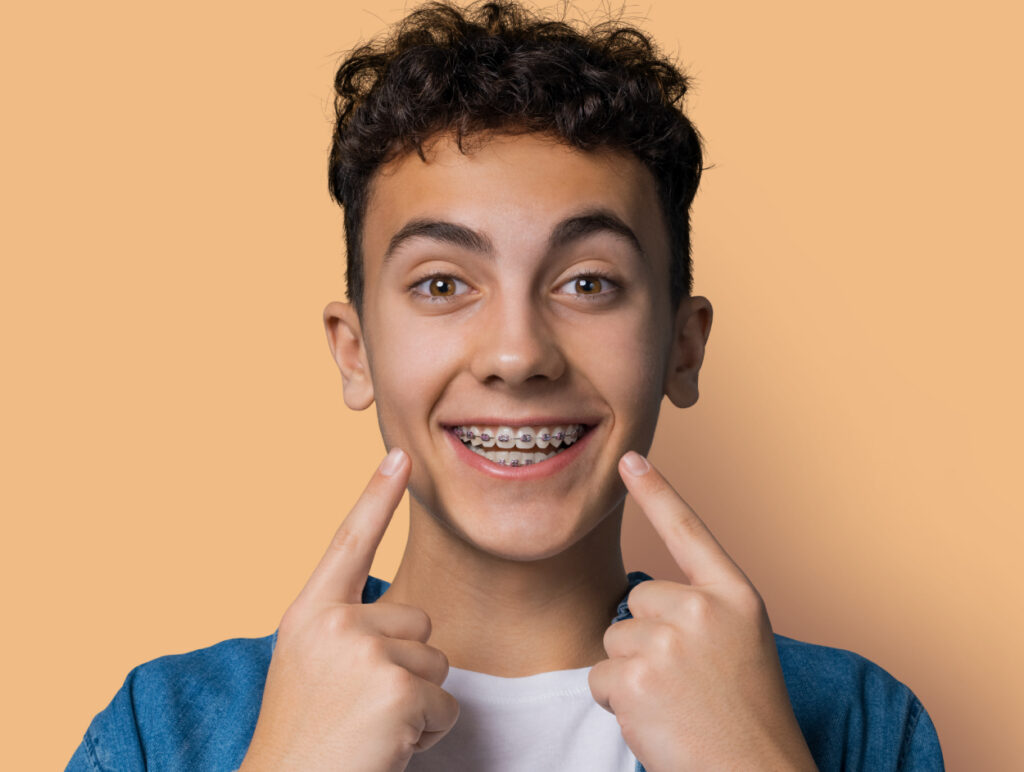


A small gap between the front teeth can bother someone for years without ever becoming a true orthodontic problem. I have seen patients cover their mouths when they laugh, angle their face in photos, or ask for braces even though their teeth are otherwise fairly straight. In many of those cases, the question is not whether the gap can be closed. It is whether it should be closed with tooth movement, or whether a cosmetic approach makes better sense.
Dental Bonding often enters that conversation because it is conservative, relatively quick, and far less involved than braces or clear aligners. For the right patient, it can close a small gap beautifully. For the wrong case, it can create teeth that look too wide, feel bulky, chip too easily, or leave the underlying bite issue untouched. The best answer is rarely a simple yes or no. It depends on the size of the gap, the proportions of the teeth, the bite, and what matters most to the patient.
The short answer
Yes, Dental Bonding can close small gaps without braces, and it does so by adding tooth-colored composite resin to one or both teeth next to the space. The material is shaped directly on the tooth, cured with a dental light, then refined and polished so it blends with the natural enamel.
This works particularly well when the gap is modest, often around 1 to 2 millimeters, sometimes a little more if the tooth proportions allow it. Once the space gets larger, the cosmetic math changes. Teeth can start to look unnaturally broad if the entire space is closed by adding material alone. That is usually the point where orthodontic treatment, veneers, or a combination approach deserves serious discussion.
The appeal is obvious. Bonding can often be done in one visit, usually with little to no drilling, and in many cases without numbing. The downside is that it is not permanent, and the quality of the result depends heavily on case selection and the dentist’s eye for shape and symmetry.
Why some gaps are ideal for bonding and others are not
Not every diastema, the clinical term for a gap between teeth, behaves the same way. A tiny space between the upper central incisors in an otherwise stable bite is very different from a gap caused by tongue thrust, gum disease, or a mismatch between tooth size and jaw size.
When bonding works well, the teeth on either side of the gap usually have room to become slightly wider without looking square or heavy. Nature gives a fairly forgiving design window here. If the front teeth are a bit narrow to begin with, adding composite to close a small space can actually improve overall proportions. Patients often say their smile looks fuller and more balanced, not just gap-free.
When bonding struggles, the space is often the visible symptom of a deeper issue. If the frenum, the piece of tissue between the upper lip and gums, is thick and inserts low between the front teeth, the gap may have a tendency to reopen. If there is a bite problem, such as protrusion or spacing throughout the arch, bonding treats the appearance but not the cause. If the teeth are already wide, closing the gap with added material can produce a result that technically fills the space yet looks off.
This is where experience matters. A good cosmetic result is not just about whether the resin stays attached. It is about whether the teeth still look like teeth, with proper width, contour, and the subtle asymmetry that keeps a smile natural.
What actually happens during a bonding appointment
One reason patients like Dental Bonding is that it feels approachable. It is one of the least intimidating cosmetic procedures in dentistry. The appointment usually begins with shade selection, and that step matters more than people realize. Natural teeth are not one flat color. They have translucency at the edges, different value from gumline to incisal edge, and a surface texture that affects how light reflects. A strong result depends on matching those details, not just picking a shade tab that seems close.
The tooth surface is then prepared, typically with a gentle etching solution that creates microscopic roughness to help the bonding material adhere. A liquid bonding agent is applied, followed by layers of composite resin. The dentist shapes the resin by hand, cures it with a blue light, then adjusts the contours so the tooth does not look overbuilt. After that comes finishing and polishing, which can make the difference between acceptable and exceptional.
Patients are often surprised by how artistic the process is. This is not like filling a mold. It is more like sculpting with very strict functional rules. The shape has to look right from straight on, from the side, and when the patient bites and speaks. A few tenths of a millimeter can affect both the smile line and the way the lower teeth contact the upper teeth.
When bonding is usually a strong option
There are a few situations where bonding stands out as especially practical. These tend to be the cases that go smoothly, look natural, and hold up well.
- The gap is small, usually around 1 to 2 millimeters
- The teeth are slightly narrow or undersized to begin with
- The bite is stable and the front teeth do not hit edge to edge
- The patient wants a conservative, same-day cosmetic fix
- The patient accepts that touch-ups or replacement may be needed over time
A good example is the patient with a single small space between otherwise healthy front teeth who does not want months of orthodontic treatment. If the smile proportions are favorable, bonding can deliver a clean, balanced result in one appointment. That is hard to beat for convenience.
When braces or aligners may be the better call
Orthodontic treatment moves teeth. Bonding changes the shape of teeth. That distinction clears up a lot of confusion.
If the gap is part of a broader spacing pattern, braces or clear aligners often produce the more stable and elegant result. They can reposition the teeth, correct angulation, improve the bite, and distribute spaces in a way that allows for better final proportions. Sometimes I have seen patients come in asking to close a front gap with bonding, only to discover that the real issue is that several teeth are flared forward and the space is only most obvious in the middle. Bonding those two front teeth alone would have been a cosmetic patch, not a true correction.
There are also cases where a combined approach works best. Orthodontics can move the teeth into better positions, then bonding can refine shape, close any tiny residual spaces, or improve symmetry. That is often the most sophisticated option when nature has not delivered ideal tooth size and alignment together.
The trade-offs patients should understand before saying yes
Bonding has a well-earned reputation for being conservative and affordable, but it is not maintenance-free. Composite resin is durable, though not as durable as natural enamel or porcelain. It can chip, stain, and lose polish over time, especially in patients who bite their nails, chew ice, grind their teeth, or drink coffee and red wine daily.
The front teeth also live in a demanding environment. They handle biting, speech, temperature changes, and habits people barely notice. If the added composite sits where it takes repeated heavy contact, the risk of chipping rises. That does not mean the treatment failed. It means the forces were not ideal for the material.
Another issue is color aging. Composite does not whiten the same way enamel does. If a patient gets bonding done and later decides to bleach their teeth significantly, the bonded areas may no longer match. For that reason, if whitening is planned, it usually makes sense to do that first and match the bonding afterward.
Then there is the question of longevity. Results vary widely depending on technique, oral habits, and bite forces, but many bonded restorations on front teeth look good for several years before needing polishing, repair, or replacement. Some last much longer. Some need attention sooner. Honest expectation setting matters here. Bonding is best viewed as durable but maintainable, not forever.
Appearance matters as much as closure
Patients often focus on the gap itself. Dentists need to think about the whole smile. If two front teeth are simply widened until the space disappears, the result may be technically successful and aesthetically disappointing.
Natural front teeth have a relationship of width to height. Push width too far, and they begin to look blocky. Close a gap without creating proper emergence near the gumline, and the added material can look pasted on. Ignore line angles, and the teeth reflect light differently from their neighbors. These are the details that separate a quick cosmetic fix from a result that disappears into the smile.
A useful chairside exercise is to show patients a mock-up or even a temporary visual with composite or digital imaging. People often realize, once they see the projected shape, whether they like the fuller look. I have seen patients who wanted a gap completely gone change their mind and ask for a very small natural space to remain because it suited their face better. Cosmetic dentistry works best when it respects identity, not when it erases it indiscriminately.
The hidden cause of the gap matters
A space between front teeth may look simple on the surface, but several different factors can be behind it. That matters because some causes make relapse more likely.
If the gap formed from a tongue thrust habit, the tongue may continue to push against the teeth after bonding, placing pressure right where the resin was added. If periodontal disease has caused tooth movement, the first priority is stabilizing the gums and bone, not cosmetic closure. If the frenum is contributing tension, a minor surgical release may sometimes be part of the long-term plan. If there are missing teeth elsewhere or a bite collapse, the front gap may be compensation rather than an isolated flaw.
This does not mean every patient needs a complicated workup. It means a gap should not be treated as purely decorative without understanding why it is there.
How bonding compares with veneers for small gaps
Patients often ask whether bonding and veneers accomplish the same thing. They can address similar cosmetic concerns, but they do it in different ways.
Bonding is more conservative. It usually preserves more natural tooth structure, costs less, and can often be completed in one visit. It is also easier to repair if chipped. Veneers, usually made from porcelain, are more stain-resistant, more color-stable, and often more durable in the long run, though they generally require more planning, more expense, and at least some enamel reshaping.
For a truly small gap, bonding is often the more sensible first option. Veneers can be excellent when there are multiple concerns at once, such as discoloration, worn edges, shape discrepancies, and spacing. But using veneers to fix a tiny space in otherwise healthy teeth can feel like over-treatment unless there is a broader cosmetic reason.
The cost question patients always ask
The fee for Dental Bonding varies by region, by the complexity of the case, and by how many teeth are involved. A small addition to one front tooth is not the same as artistic reshaping of several teeth to rebalance an entire smile. In many practices, bonding costs less upfront than orthodontics or porcelain veneers, which is a major reason patients explore it.
Still, cost should be viewed over time as well as on the day of treatment. If bonding needs periodic polishing, repair, or replacement, the long-term expense can add up. Orthodontics costs more initially, but if it corrects the tooth position more definitively and only requires retainers afterward, it may be the better value in some cases. There is no universal cheapest option once maintenance enters the picture.
What good maintenance looks like
Bonded teeth do not need exotic care, but they do reward careful habits. Patients who keep their results looking good tend to be consistent rather than obsessive.
- Brush with a non-abrasive toothpaste and floss daily
- Avoid using front teeth to open packages or bite hard objects
- Limit habits that chip resin, such as ice chewing or nail biting
- Wear a night guard if grinding is an issue
- Keep recall visits so rough edges or stain can be polished early
That last point matters. A small polish at six months or a year can extend the life and appearance of bonding. Waiting until a chipped edge catches on everything usually means a bigger repair.
The question of reversibility
One of bonding’s biggest strengths is that it can be minimally invasive. In small-gap cases, little or no drilling may be required. That appeals to patients who are not ready to commit to a more permanent restorative path.
Reversible is not always absolute, though. Even conservative bonding can leave subtle changes on the enamel surface after removal, and if minor contouring was done to create a better blend, that enamel does not grow back. Still, compared with veneers or crowns, bonding is much gentler on the tooth.
That makes it a good option for younger adults who want cosmetic improvement without sacrificing healthy structure. It can also serve as a transitional treatment. Someone may choose bonding now and move to orthodontics or porcelain later if their goals change.
Who tends to be happiest with the result
The most satisfied bonding patients are usually the ones whose expectations fit the material. They want meaningful improvement, not perfection at any cost. They appreciate a conservative approach. They understand that a bonded edge may eventually need maintenance. And they choose a clinician with a strong cosmetic eye rather than shopping only on convenience.
A patient in their https://lorenzoxcrz819.lucialpiazzale.com/can-dental-bonding-help-you-avoid-more-complex-dental-work twenties with a 1 millimeter gap, good enamel, and realistic goals can be thrilled with bonding for years. A patient with a 4 millimeter space, active grinding, and a demand for flawless permanence is more likely to be disappointed unless guided toward another option. Dentistry is full of procedures that work brilliantly in the right context and poorly in the wrong one. Bonding is one of them.
So, can Dental Bonding close small gaps without braces?
For many people, yes, and it can do it beautifully. When the gap is small, the tooth proportions are favorable, and the bite is stable, Dental Bonding offers a fast, conservative way to reshape a smile without moving teeth. It is especially attractive for patients who want immediate cosmetic improvement and prefer to avoid orthodontic treatment.
The key is not the material alone. It is case selection, diagnosis, and craftsmanship. A well-planned bonding case can look effortless. A poorly chosen one can look bulky, fail early, or leave the real problem untouched.
If you are considering it, the most useful consultation is one that explores more than just whether the space can be filled. Ask whether the teeth will still look natural once the gap is closed, how the bite will affect durability, what maintenance is likely over the next several years, and whether orthodontics would create a better foundation. That is where the right answer usually becomes clear.
Toothworks of Bakersfield, Dentist and Orthodontist
Address: 1030 H St #1, Bakersfield, CA 93304
Phone number: +16613239421
FAQ About Dental Bonding
How long does dental bonding last?
Dental bonding typically lasts between 3 and 10 years (averaging about 5 to 8 years) before it needs a touch-up or replacement. Its lifespan depends heavily on your daily habits, where the bonding is placed in your mouth, and how well you care for your teeth.
How expensive is bonding a tooth?
Dental bonding typically costs between $100 and $600 per tooth, with a national average of about $431 per tooth.
What are the downsides of dental bonding?
Dental bonding has several drawbacks, including lower durability, a shorter lifespan, and a tendency to stain compared to alternatives like porcelain veneers.